SnapTable: A Figma Plugin for Faster Unified Table Design
| Date | Dec 2025 |
| Role | Designer & Developer |
| Tags | Figma Plugin Tooling Tables |
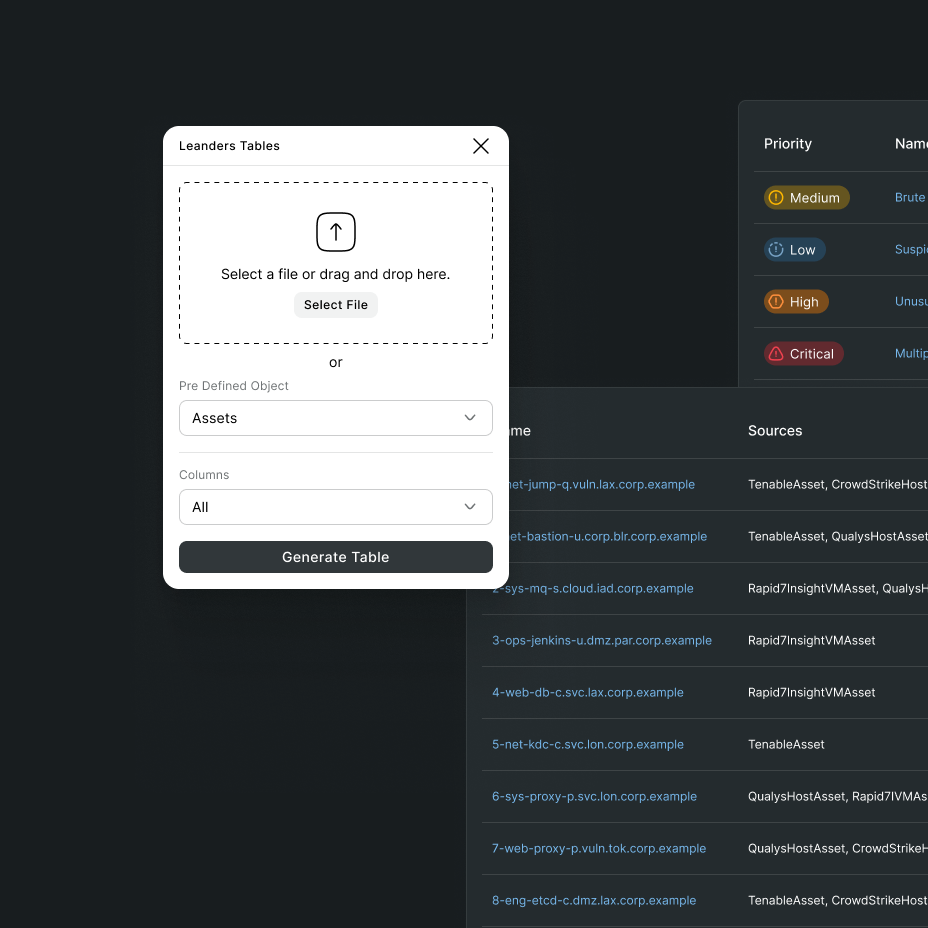
SnapTable is a custom Figma plugin built to turn CSV data into clean, design-system-aligned tables in seconds. It helps teams work from the same data, reduce repetitive production work and create more consistent UI in a world where data-driven design is increasingly important.
- Built a custom Figma plugin to convert CSV data into design-system-aligned tables.
- Automated column width calculation and header-tag formatting rules.
- Connected output to shared design system variables for theming.
- Reduced repetitive table production work across teams.
As product design became more data-driven, working with realistic datasets became essential. Tables, dashboards and dense workflows need to be designed around real content, not placeholder rows. SnapTable was created to make that easier by giving designers a fast, repeatable way to move from shared CSV data into structured Figma tables.
The plugin allows a designer to upload a CSV and automatically generate a table layout. Column widths are calculated from the widest cell in each column, helping the table respond to the data rather than forcing content into an artificial layout. Header tags can also be used to apply formatting rules, such as centred alignment or badge-style treatments, making the output flexible enough for different product scenarios.
A key benefit is consistency. By starting from the same data structure and generating tables through the same system, teams can avoid rebuilding similar UI in slightly different ways. SnapTable helps create a shared workflow for working with product data, making it easier to compare ideas, review layouts and keep design output aligned across teams.
The output is designed to stay close to the design system. Colours and styling can be connected to shared variables, supporting theming and reducing manual cleanup. The aim was not just to make table creation faster, but to make the first generated version closer to something a designer could actually use.
SnapTable reflects the kind of design tooling I enjoy building: practical systems that remove friction, improve consistency and give designers more time to focus on judgement, hierarchy and product quality.
Some project details are kept private due to the nature of cybersecurity work. Reach out if you'd like to discuss the process in more detail.